Fantasy Novels
A Beginner's Guide to Fantasy Subgenres: Epic, Grimdark, Cosy and More
A Beginner's Guide to Fantasy Subgenres: Epic, Grimdark, Cosy and More
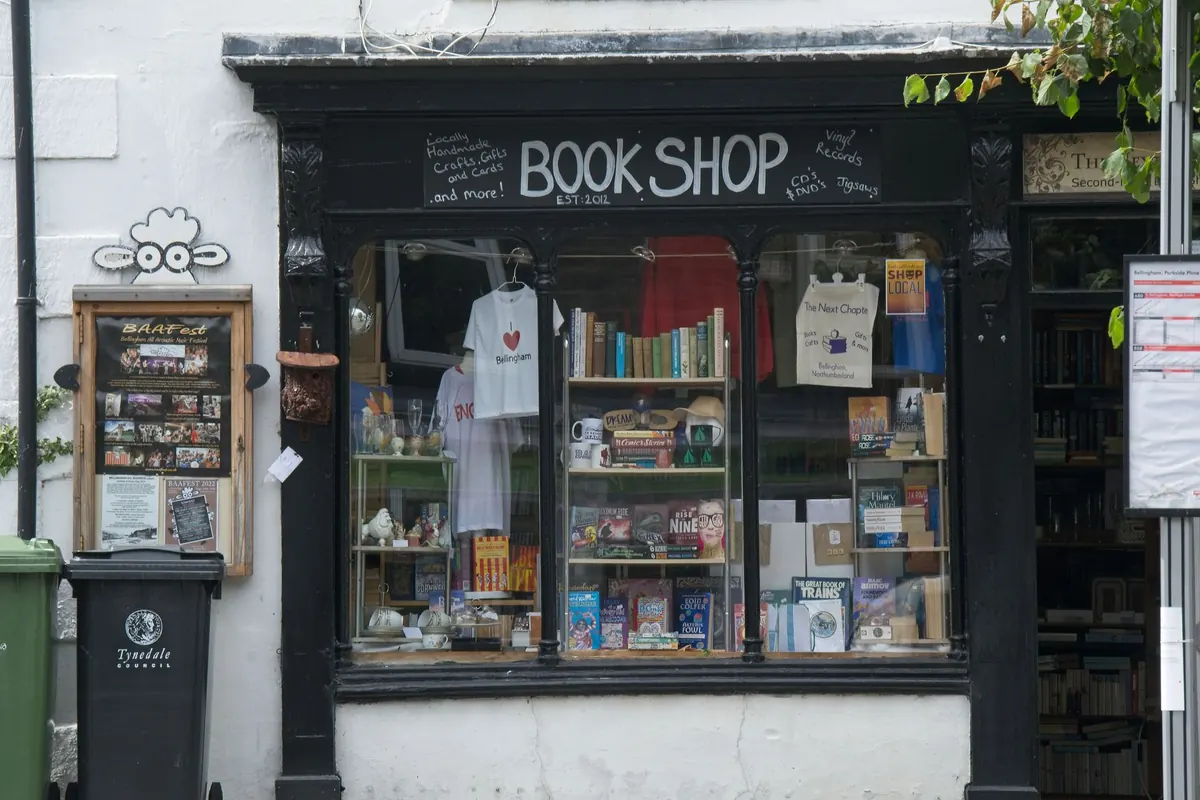
Walk into any bookshop and the fantasy section looks like one enormous country. It isn't. It's a continent with regions, dialects and weather of its own. The book that first made fantasy click for you — a sprawling quest, a murderous antihero, a coffee shop run by a retired orc — belongs to a particular tradition, and knowing what that tradition is called makes choosing your next read far easier.
Below is a working map of the main subgenres, with one accessible starting point for each. Treat the labels as shortcuts rather than rules: plenty of books sit in two or three at once, and nobody is going to ask to see your passport.
One warning before the map: subgenre names are reader tools, not courtroom categories. They describe the promise a book makes, not the only thing it is allowed to be. If a label stops being useful, drop it.
Epic and High Fantasy
This is the version most people picture: a secondary world with its own map, history and politics; stakes that run to the fate of kingdoms; and a plot big enough to need three volumes. High fantasy usually means the story happens entirely in an invented world, while epic refers to scale. The two overlap constantly.
Epic fantasy often gives you a map, a long history, several viewpoints and a threat that affects more than one village. High fantasy often gives you a secondary world with its own rules and creatures. You can have epic fantasy set on Earth and high fantasy with small stakes, but in practice the labels usually travel together.
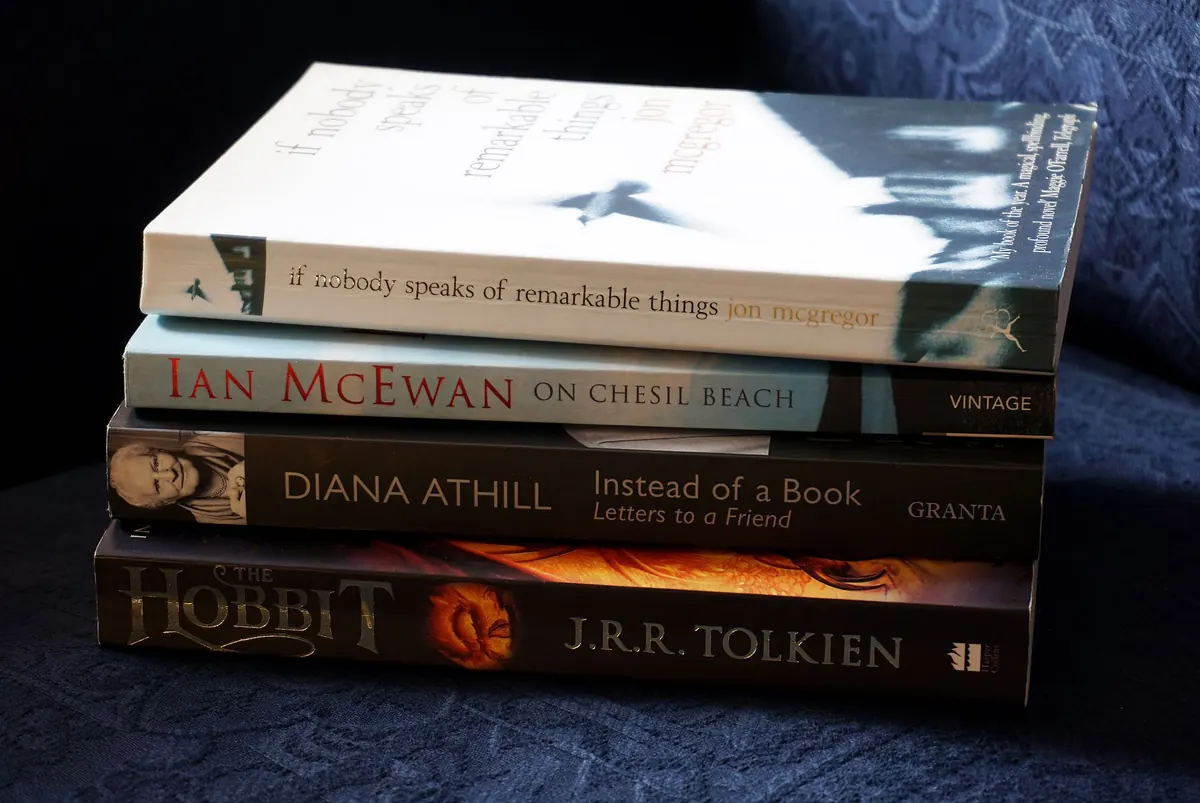
Tolkien set the template with The Lord of the Rings, and it rewards the effort, but it is a demanding place to begin. If you want the full tradition, it is worth it. If you want a smoother on-ramp, look for a book that narrows the focus without shrinking the world.
Start with: Mistborn: The Final Empire by Brandon Sanderson. A crew of thieves plots to bring down an immortal emperor, which gives you clear goals, a manageable cast and a magic system with rules you can actually follow. The world-building is generous without turning into a history lecture, and there are two more books if you want them.
If you want more: The Way of Kings by Brandon Sanderson is bigger, slower and more sprawling. The Fifth Season by N.K. Jemisin is stranger, darker and structurally daring. A Game of Thrones by George R.R. Martin is epic fantasy with the warmth turned down and the politics turned up.
Grimdark
Grimdark takes the assumptions of epic fantasy and asks what happens when nobody is quite good. Violence is ugly and leaves marks, power corrupts, and the characters you're rooting for may be the least trustworthy people on the page. It has a reputation for bleakness, but the best of it is sharp, funny and uncomfortably honest about how people behave.
It is easy to mistake grimdark for nihilism. The best grimdark is not saying nothing matters; it is saying choices matter even when the world refuses to reward them. That is why the genre can be bleak and still gripping.
Start with: The Blade Itself by Joe Abercrombie. It's grim without being miserable — the dialogue is genuinely funny, and each viewpoint character has a voice distinct enough that you'll keep reading just to hear them talk. If the tone suits you, the rest of the First Law world is waiting. If not, you've lost one book rather than seven.
If you want more: The Poppy War by R.F. Kuang brings grimdark into a fantasy version of twentieth-century Chinese history, with war, addiction and rage. Prince of Thorns by Mark Lawrence is nastier and more compact. The Black Company by Glen Cook is a classic of soldiers, sorcery and morally grey survival.
Cosy Fantasy
Cosy fantasy keeps the magic and drops the apocalypse. The stakes are personal: a business to keep afloat, a friendship to repair, a new town to settle into. Comfort is the point — warm food, small kindnesses, problems solved with patience and a decent cup of tea.
The subgenre has grown quickly because it offers something epic fantasy often does not: rest. It is not that nothing happens. A bakery can fail. A friendship can fracture. A magical bookshop can be threatened by a developer. The difference is the scale and the tone. The story wants you to finish it feeling warmed rather than wrecked.
Start with: Legends & Lattes by Travis Baldree. An orc warrior retires from adventuring to open a coffee shop in a city that has never heard of coffee. It's short, gentle and quietly satisfying, and it makes an excellent palate cleanser after a heavy trilogy.
If you want more: Bookshops & Bonedust by Travis Baldree is a prequel with the same warmth and a little more adventure. The House in the Cerulean Sea by TJ Klune is cosy fantasy with found family and a gentle romance. Can't Spell Treason Without Tea by Rebecca Thorne mixes tea shop comfort with political intrigue.
Cosy fantasy is not about nothing happening. It's about what happens mattering at a human scale.
Urban Fantasy
Magic, but here and now — or a version of now. Urban fantasy hides the supernatural inside the ordinary city: a wizard working for the Metropolitan Police, a vampire running a nightclub, a fae court operating out of a hotel basement. It often uses the rhythms of crime fiction: mysteries, investigations and reluctant alliances. First-person narration is common, as is a sharp, world-weary voice.
Modern urban fantasy covers a wide range. Some of it slides into paranormal romance, some into horror, some into superhero stories with better coats. If you like the idea of magic with rent and public transport, this is your shelf.
Start with: Rivers of London by Ben Aaronovitch. A young police constable discovers that ghosts and river gods are real, and gets assigned to the tiny magical unit nobody talks about. It's funny, procedural and rooted in a specific city. Neverwhere by Neil Gaiman is a standalone portal into a hidden London, while Storm Front by Jim Butcher offers a detective wizard with a bad attitude and a long series behind him.
Sword and Sorcery
Sword and sorcery is older, leaner and more personal than epic fantasy. Instead of saving the world, the hero usually wants to survive it, get paid or settle a grudge. The stories are often episodic: a ruined temple, a cursed jewel, a sorcerer who has read one forbidden book too many. Conan the Barbarian and Fritz Leiber's Fafhrd and the Gray Mouser are the classic examples.
Modern sword and sorcery keeps the energy but adds better characterization. It is a good choice if you love the texture of fantasy — swords, taverns, strange gods — but don't want to commit to a ten-book epic.
Start with: The Blacktongue Thief by Christopher Buehlman. It has a roguish narrator, a dangerous quest and a world that feels lived-in rather than exhaustively explained. If you want something more openly comic, try Kings of the Wyld by Nicholas Eames, in which a retired adventuring band reunites for one last job.
How to Use Subgenres Without Getting Stuck
Subgenre labels are best used as a compass, not a cage. If you loved a book, ask what specifically you loved: the voice, the pace, the world, the romance, the violence, the comfort? That answer will take you further than the label on the spine.
- Want scale and history? Try epic or high fantasy.
- Want moral mess and sharp edges? Try grimdark.
- Want warmth and low stakes? Try cosy fantasy.
- Want magic in a modern city? Try urban fantasy.
- Want a fast, personal adventure? Try sword and sorcery.
- Want love at the centre of the plot? Look for romantasy, where romance and fantasy are both primary.
- Want to fall through a wardrobe, door or portal? Look for portal fantasy.
- Want magic in a recognizable past or myth? Look for historical fantasy or mythic retellings.
You can also read by mood rather than category. A cosy fantasy after a grimdark trilogy. A sword and sorcery story between two huge epics. An urban fantasy when you want magic that still has to deal with traffic. The map is there to help you travel, not to tell you where you're allowed to go.
And if a book refuses to fit neatly? Good. Some of the best fantasy lives in the borderlands between labels. The point of learning the regions is not to sort every book correctly. It's to know where to look when you want more of a feeling — and to recognise when a book is about to give you something you didn't know you wanted.
Photo: Suzy Hazelwood / Pexels
Related Articles