Book Reviews

How to Review an Audiobook: A Checklist for UK Book Bloggers
Most audiobook reviews tell you two things: the narrator was excellent, and the book was unputdownable. Neither helps anyone decide whether to spend eleven hours of their commute on it.
An audiobook is two works layered together — the text and the performance — plus the production that holds them in place. Reviewing one properly means keeping those layers separate in your head while writing about them as a single experience. That sounds fussy. It isn't. It's the difference between a review that finds the right listener and one that leads to a refund request.
Start with the text, not the voice
Before you judge a performance, be clear about what the book is asking of it. A novel built from long interior monologue, with almost no dialogue, demands something very different from a twisty thriller with nine suspects and a lot of shouting. Some prose is written to be heard; some is written to be looked at slowly.
If you can, read a passage in print alongside the audio. You'll spot things you'd otherwise miss: whether the narrator respects the punctuation, whether they lift a deliberately flat sentence into something dramatic, whether a joke lands or dies. A narrator who ignores commas flattens rhythm. A narrator who performs every line can smother a book that was quietly devastating on the page.
Narration: what to listen for
Narration is where most audiobook reviews either get specific or fall apart into adjectives. Try to name what the narrator is doing.
Character voices
Do the voices stay distinct over several hours, or do the minor characters blur into one brisk aunt? Is there a difference between how a character speaks and how they narrate? A good performance keeps a narrator's voice for the prose and separate registers for dialogue — but it also knows when to stop. A cast of exaggerated accents can turn a serious novel into a pantomime.
Accents and dialect
Listen past the first hour. Accents often hold up beautifully in chapter one and wobble by chapter twenty. If a book is set somewhere specific, ask whether the narration matches the place or generalises it into something neutral. Be fair here: a narrator is not a linguistic atlas, and your own ear is not a referee. If you're unsure, describe what you heard rather than handing down a verdict.
The narrator's relationship to the text
Does the performance trust the reader? Sarcasm narrated as sarcasm is fine. Sarcasm narrated as sincere warmth is a problem. Notice the small choices: how a name is pronounced, how a chapter-ending line is pitched, whether the narrator sounds like they're enjoying the book or simply working through it.
Pacing and rhythm
Pacing is not the same as speed. A slow narrator can be perfectly paced; a fast one can drag. What matters is whether the tempo changes with the scene — quickening through an argument, settling during a description, leaving a beat after a reveal.
Then there's your own pacing. If you listened at 1.5x, say so in the review. It doesn't invalidate your opinion, but it changes it, and readers deserve to know. A thriller that feels sluggish at normal speed may be perfectly judged; a literary novel read too quickly can lose its whole atmosphere. Note the total runtime too, especially for long books — it's the number listeners actually plan around.
Production: the details listeners notice
Production is the part reviewers skip and listeners complain about. Listen once on headphones and once through a speaker or car stereo, because problems show up differently on each.
- Mouth noise, clicks, audible breaths and page turns — present, or tidied away?
- Volume consistency between chapters and between separate files.
- Long silences, clipped first words, or repeated sentences that survived editing.
- Music, sound effects or a full cast: do they serve the book or fight it?
- Chapter divisions that match the print edition, and an author's note left where it belongs.
- Whether the cover, blurb and credits make clear who narrates and which edition this is.
The goal isn't to hunt for faults. It's to note anything that pulled you out of the book, and to be honest when the answer is nothing at all.
A checklist to work through before you write
- Narrator's name, edition, and whether it's unabridged.
- One sentence on the book itself, separate from the audio.
- One sentence on the performance, with a concrete example.
- One sentence on production quality.
- How it handles dialogue, accents and pace changes.
- Your listening conditions and playback speed.
- Who it suits: commuters, long drives, bedtime, print loyalists.
- A verdict that would help someone decide, not just applaud.
Useful review sentence: "The narration is unhurried and precise, which suits the novel's slow-burn first half but makes the final act feel underpowered."
Judging an audiobook fairly
Keep four verdicts in your head, even if you only publish one. Was the writing good? Was the performance good? Was the production good? And did this particular pairing work? A fine narrator can be wrong for a fine book — that's not a failure by either party, and saying so is more useful than hedging.
Remember that some choices aren't the narrator's to make. Direction, casting, editing and whether the author reads their own non-fiction are all decisions made above their head. Mention them, but don't blame the voice for the room.
Finally, mind the gap between taste and quality. "I didn't enjoy it" and "it was badly done" are different claims. If a book wasn't for you, say so plainly — but don't dress preference up as craft.
Writing the review
Lead with something specific. A short quotation of the narration, described rather than transcribed, does more than three paragraphs of praise. Then be practical: state the runtime, the format you used, whether you listened at speed, and whether the sample matched the finished product.
Close with a recommendation that names a listener, not a mood. "Best for anyone who loved the print edition and wants the same experience in the car" is useful. "A must-listen for everyone" is not. If you received a review copy, say so once and move on. And if you'd suggest people try a sample first, say that too — it's advice, not criticism.
A good audiobook review does what a good book review does: it describes something accurately enough that a stranger can decide whether it's for them. Narration, pacing, production, verdict. Four passes, one honest piece of writing.
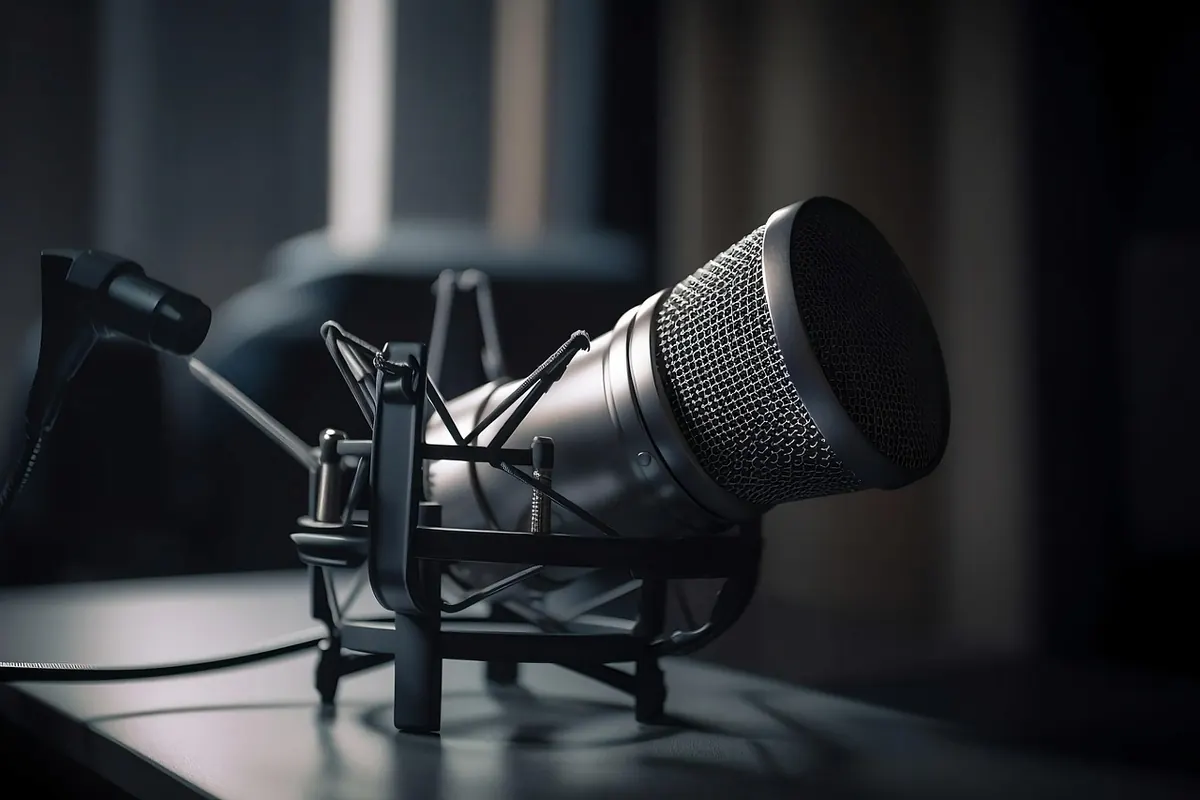
Photo: ClickerHappy / Pixabay
Related Articles