Gothic Fiction
Gothic Fiction Explained: 8 Tropes Every Reader Should Know
Somewhere in the house a door closes on its own. A portrait you have walked past a hundred times seems to have turned its head. The stranger at the gate has your face. Gothic fiction runs on moments like these — small disturbances that make the familiar feel borrowed from somebody else. The tricks behind them are old, repeatable and far more enjoyable once you can name them. Here are eight recurring devices, with British novels and stories that show each one working at full strength.
The Tropes at a Glance
If you remember nothing else, carry these away:
- The haunted house — a building with a memory and a grudge.
- The double — a second self: twin, portrait or monstrous reflection.
- The uncanny — the ordinary made wrong: dolls, mirrors, empty rooms.
- Buried secrets — letters, manuscripts and locked doors that will out.
- The family curse — inherited guilt, madness or money.
- Isolation — moors, marshes, islands, houses cut off by snow or tide.
- The sublime — terror enjoyed at a safe distance: cliffs, storms, ruins.
- The woman in the attic — a woman confined, silenced, or conveniently called mad.
The Haunted House — and the Haunted Landscape
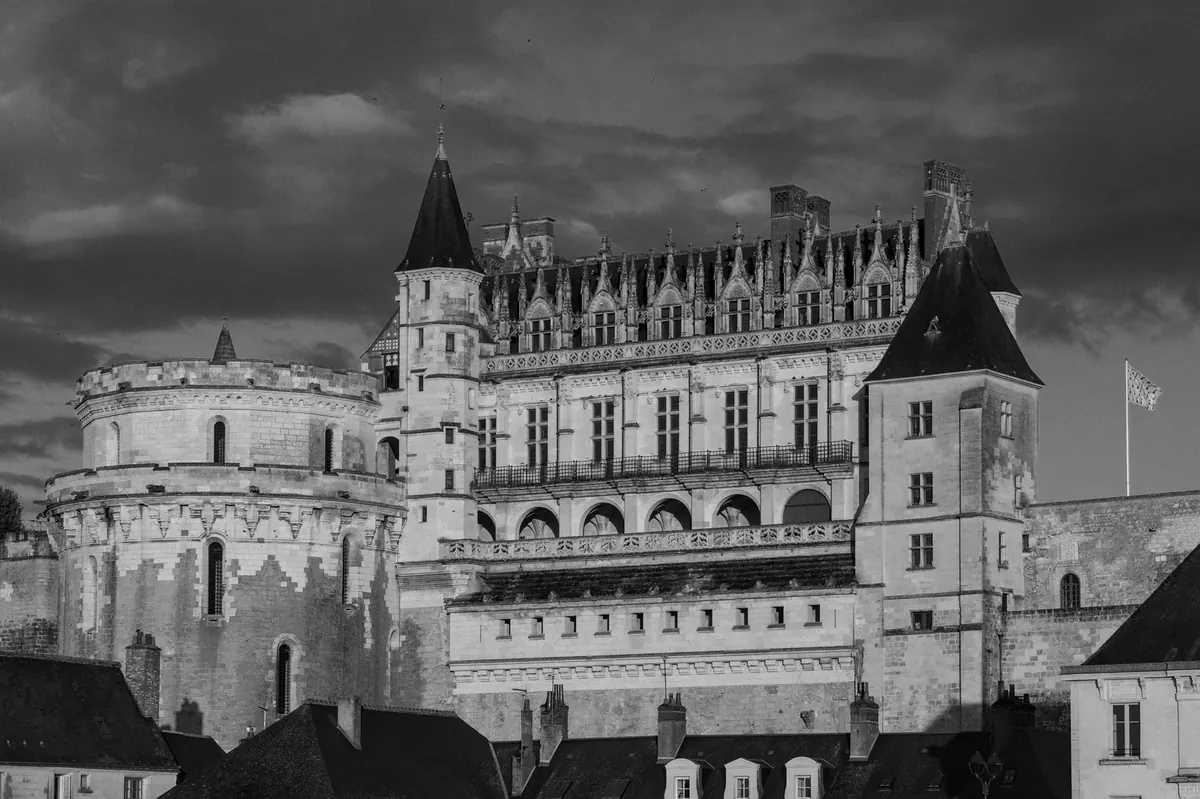
Horace Walpole's The Castle of Otranto (1764), often cited as the first Gothic novel, packs a castle, a prophecy and a walking portrait into its opening chapters. Ann Radcliffe's The Mysteries of Udolpho (1794) moved the action to a gloomy Italian fortress, and the template stuck.
But the haunted house need not be a castle. Thornfield Hall in Charlotte Brontë's Jane Eyre (1847) is a gentleman's house with a secret on the third floor. Manderley, in Daphne du Maurier's Rebecca (1938), is a Cornish estate narrated by a woman who can never quite live up to its dead mistress. Susan Hill's The Woman in Black (1983) sets Eel Marsh House in the middle of a tidal marsh, reachable only by a causeway that floods. Sarah Waters's The Little Stranger (2009) turns a decaying post-war country house into a building that seems to do the haunting itself.
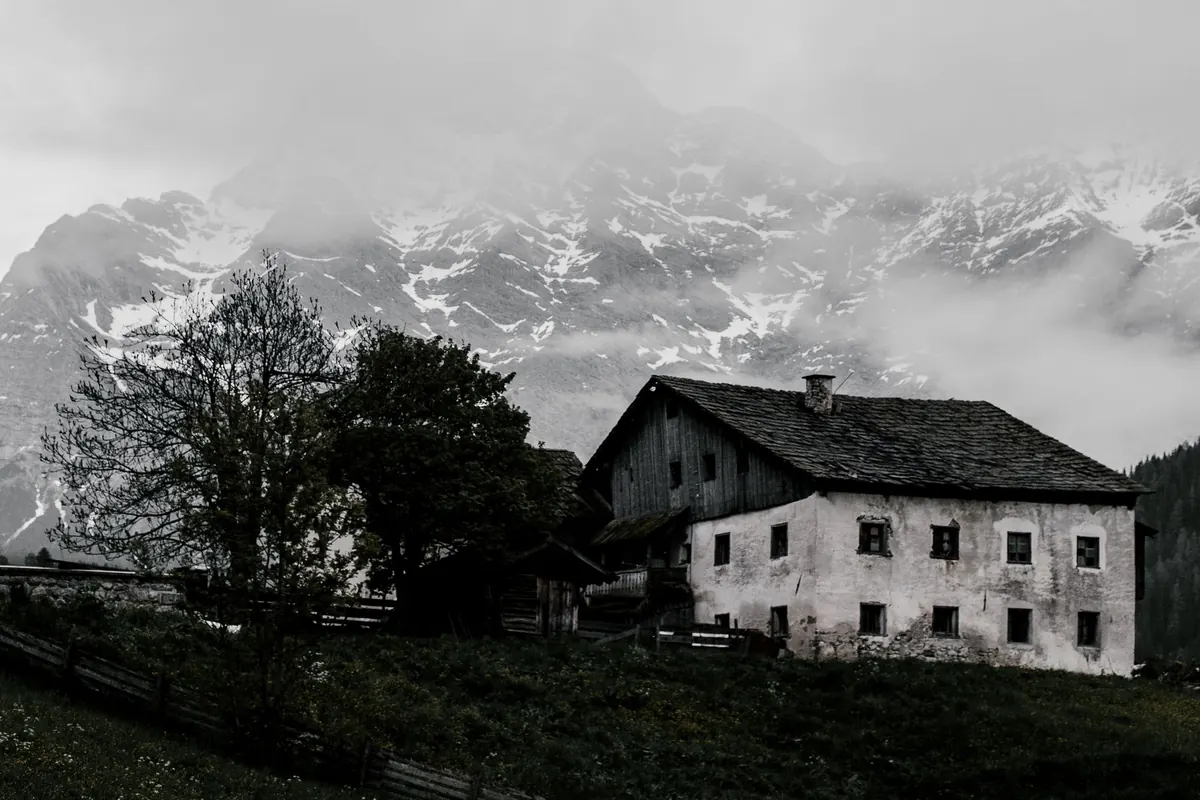
Notice how often the land does the work: fog, mud, cliffs, a long drive with trees on either side. Weather in Gothic is not decoration. It is a pressure gauge.
The Double
Robert Louis Stevenson's Strange Case of Dr Jekyll and Mr Hyde (1886) is the clearest British example: one respectable man, one second self, and a city street where only one of them is at home. Oscar Wilde's The Picture of Dorian Gray (1890) hangs the double in a frame on the wall. Mary Shelley's Frankenstein (1818) gives us a creature who is both a stranger and a mirror. Wilkie Collins's The Woman in White (1859) borrows two women so alike that they can be swapped, which turns identity itself into a plot device.
How to spot it: watch mirrors, portraits, repeated names, and any character who appears where they should not be. If a story keeps returning to a reflection, ask what the reflection refuses to show.
The Uncanny: Familiar Things Gone Wrong
Sigmund Freud's 1919 essay on the uncanny took the German word unheimlich — literally "un-home-like" — and made a case that the most unsettling things are not the exotic ones, but the familiar made strange. Hence Gothic's fondness for dolls, mannequins, automata, waxworks and old photographs. Laura Purcell's The Silent Companions (2017) uses painted wooden figures that keep turning up in a house where they were never meant to be. M. R. James built a whole career on it in stories such as "Oh, Whistle, and I'll Come to You, My Lad" (1904), where a hotel bed, a whistle and a walk on the beach are quite enough.
The uncanny works best in daylight, with no blood and no thunder. If a scene makes your skin prickle in an ordinary kitchen, you are reading it.
Terror, Horror and the Sublime
Ann Radcliffe drew a firm line between terror and horror in her writing on the supernatural in poetry: terror unsettles and opens the mind, while horror appals and shuts it. Most Gothic writing aims for the first and only briefly indulges the second. That is why so much of it happens at a cliff edge, in a storm, or among ruins — landscapes that are beautiful and dangerous at once.
"It was a dark and stormy night."
Edward Bulwer-Lytton's opening to Paul Clifford (1830) is now a punchline, but it points at something true. Gothic writers have always given the weather feelings. John Ruskin called this the pathetic fallacy in 1856 and meant it as a criticism; in Gothic it is a technique, and a reliable one.
Buried Secrets and the Weight of the Past
In Gothic, the past is not over. It is a plot engine. Miss Havisham's Satis House in Dickens's Great Expectations (1861) has its clocks stopped at twenty to nine and a wedding cake still on the table, refusing to let time move on. Bleak House (1852–53) gives Chesney Wold a Ghost's Walk and a family ashamed of what it inherited. Frankenstein arrives as a stack of letters; The Turn of the Screw (1898) is framed as a manuscript read aloud; Otranto pretends to be a translation of an old Italian text.
Practical point: in Gothic fiction, whoever holds the document holds the plot. Watch who is writing, who is copying, and what has quietly been left out of the account.
Isolation, Madness and the Woman in the Attic
The most contested trope in the tradition is also the most revealing. In Jane Eyre, Bertha Mason is locked in a room at Thornfield and described to us by people who benefit from calling her mad. Charlotte Perkins Gilman's The Yellow Wallpaper (1892) is American, but it makes the same point from the inside: a woman confined "for her own good" and slowly erased.
Isolation is the mechanism that makes this work. Emily Brontë gives us the moors in Wuthering Heights (1847); Hill gives us the marsh; Michelle Paver's Dark Matter (2010) gives us an Arctic research station in 1937 with the sun gone for the winter. Cut characters off from help, and the house, the family and the past all close in.
Ask two questions of any Gothic novel: who has no way out, and who profits from keeping them there? The answers usually explain the plot.
How to Read Gothic Fiction
You will get more from these books if you read for atmosphere rather than only for the twist. A few habits worth adopting:
- Track the
Related Articles