Reading Lists
Winter Solstice Reading List: 8 Fantasy Novels for Long Nights
By the middle of December, the light has gone by half past four and the evening opens out in front of you like a room you had forgotten you owned. That is the season this list is built for: books that make the dark feel deliberate rather than dreary, and that reward the particular pleasure of reading with the radiator ticking and something hot within reach.
These eight novels all lean into winter rather than ignoring it. Some are snowbound and enormous; a few are short enough to finish between the solstice and New Year. Two are gentle enough to read when you are tired, and one is very funny indeed. Take them in any order, but read them with the curtains closed.
Snowbound epics for the long haul
The Left Hand of Darkness — Ursula K. Le Guin. Genly Ai arrives on Gethen, a world in a permanent ice age, as an envoy trying to persuade a divided planet to join an interstellar alliance. What he actually learns comes later, on a gruelling crossing of the Gobrin Ice with the disgraced politician Estraven. There are no battles here and very little magic; the cold does the work. Le Guin writes winter as a moral condition, and the final third is one of the great accounts of endurance in the genre. Set aside three or four long evenings for it.
Spinning Silver — Naomi Novik. Miryem, a moneylender's daughter, is clever enough to turn silver into gold, which attracts the attention of the Staryk, a race of icy, inhuman creditors from a frozen kingdom. Novik's winter is not scenery, it is an economy: debts, bargains, and roads that only exist in cold. The three narrators take a while to separate in your head, so read the first hundred pages in a couple of sittings rather than dipping in and out.
Midwinter folklore and old magic
The Dark Is Rising — Susan Cooper. This is the obvious solstice book and it earns the label. Will Stanton turns eleven on Midwinter Eve and discovers he is the last of the Old Ones, with a Sign to find and a Rider on his trail. The action unfolds across the twelve days of Christmas in a Buckinghamshire village of rooks, snow and a roaring fire in the farmhouse kitchen. Cooper's trick is to make the ordinary domestic world — Christmas dinner, a warm scullery — feel like the thing worth defending. If you want a project, read a chapter a day from 20 December and let the book keep pace with the calendar.
The Bear and the Nightingale — Katherine Arden. A Russian village at the edge of a forest, a girl who talks to the household spirits, and a winter king who arrives as both threat and guardian. Arden's debut is steeped in folk tales — the rusalka, the domovoi, the frost demon Morozko — and its cold is domestic as much as supernatural: frozen wells, thin soup, smoke in the eaves. It is the first of a trilogy, so if you fall for it you have the rest of the winter covered.
Classics that still hold up
The Lion, the Witch and the Wardrobe — C. S. Lewis. Narnia under the White Witch is a country locked in winter where Christmas never arrives, which makes it the perfect book for a solstice week. It takes two hours to read and works even better read aloud; the chapter where the snow begins to melt is still one of the most satisfying turns in children's fiction.
Northern Lights — Philip Pullman. Lyra Belacqua and her dæmon leave an Oxford of spires and cloisters for the Arctic: Svalbard, armoured bears, an aurora with something behind it. Pullman writes cold as something you can hear — the creak of ice, the silence of a frozen sea. It is a darker book than its reputation suggests, and it reads beautifully in a single long week.
Hearth-lit cosy fantasy
Legends & Lattes — Travis Baldree. Viv is an orc barbarian who has had enough of fighting and wants to open a coffee shop. That is the plot, more or less, and it is exactly as pleasant as it sounds: a city called Thune, a hobgoblin baker, a rattkin barista, and problems that amount to a broken door and a rival café. Nothing here will frighten you, which is the point. Read it after one of the epics above, ideally with an actual coffee.
A midwinter comedy
Hogfather — Terry Pratchett. On the Disc, Hogswatch Night is in trouble: the Hogfather has vanished, and Death has stepped in to deliver the presents. Pratchett uses a midwinter festival to think about belief, story and why we insist on giving children something to hope for, and he does it while being extremely funny. A good one to ration out over the darkest fortnight, a chapter or two a night.
Building your winter reading stack
You do not need a plan to read eight books, but a little structure helps in December, when evenings vanish and good intentions go with them. A few things that work:
- Pair a long book with a short one. Keep a doorstop like The Left Hand of Darkness on the go alongside something you can finish in an evening, so a tiring day does not cost you your reading streak.
- Match the book to the night. Cosy fantasy for the nights when you are half asleep; folklore and epics for the weekends, when you can stay up past eleven without regretting it.
- Fix your light. A lamp behind your shoulder beats a ceiling light every time in winter, and it makes a paperback feel like an occasion.
- Read one of them aloud. The Lion, the Witch and the Wardrobe and Hogfather both improve with an audience, whether that is a child, a partner or the cat.
- Let yourself re-read. Winter is the season for returning to a book you already love. There is no rule that says a solstice list has to be new to you.
Start with whichever appeals tonight, and do not worry about finishing by a date. The nights are long; that is the whole point of them.
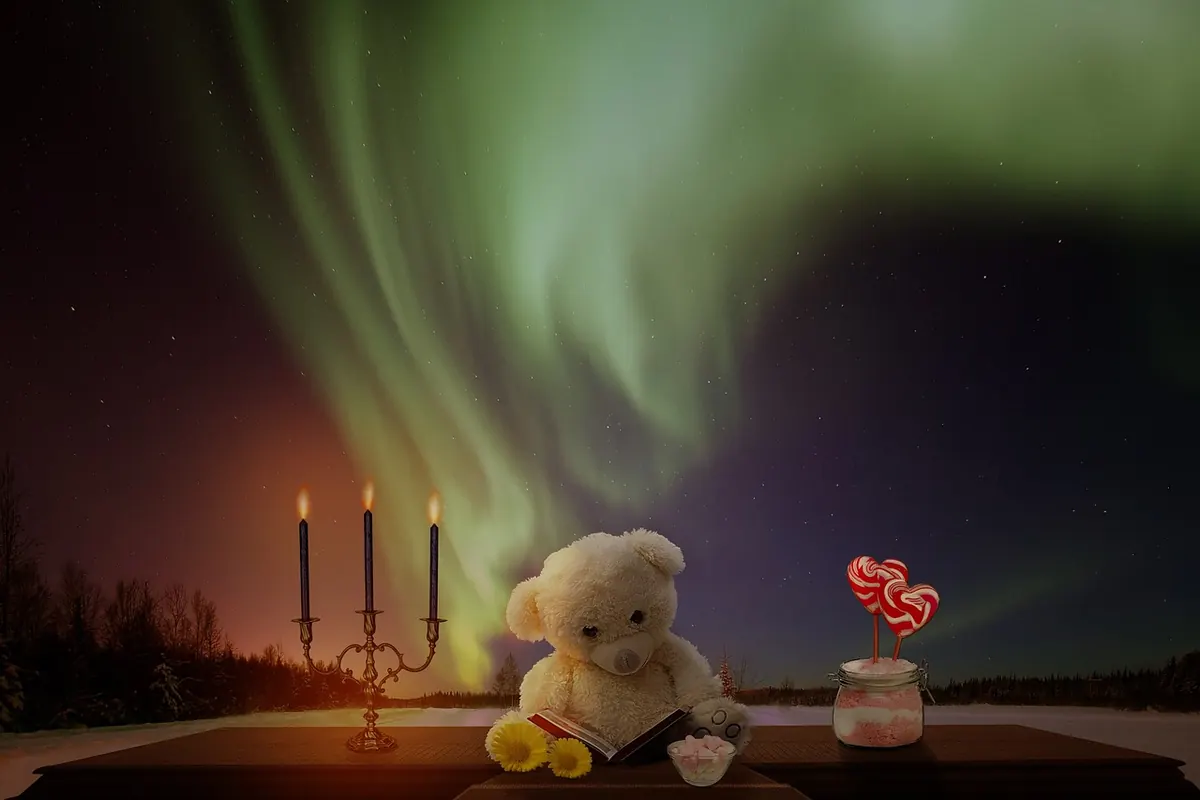
Photo: Hundefan / Pixabay
Related Articles